What Should I Do If the Structural Inspection Finds a Serious Problem?
If the structural inspection finds a serious problem, you have three clear paths: negotiate a lower purchase price, ask the seller to make repairs before closing, or walk away from the deal. A written report from a licensed structural engineer gives you the professional documentation needed to support any of those choices. The report records both what is damaged and what is in good condition, so you can base your decision on the full picture instead of the worst item on the list. Whatever you choose, act within your inspection contingency window. That window protects your right to exit or renegotiate without financial penalty.
What counts as a serious structural problem in a home inspection?
A serious structural problem is any defect that affects the home's ability to safely carry its own weight or the loads placed on it. These are problems in the home's load path, the continuous route weight travels from the roof down to the foundation and into the ground.
How is a structural problem different from a cosmetic defect?
A cosmetic defect affects appearance but does not affect how the structure carries load. Surface cracks in drywall, peeling paint, and minor floor squeaks fall into this category. Structural defects involve the load-bearing elements themselves.
Examples of serious structural problems include:
- Foundation settlement or shifting: when the foundation moves unevenly, it can distort the entire frame above it
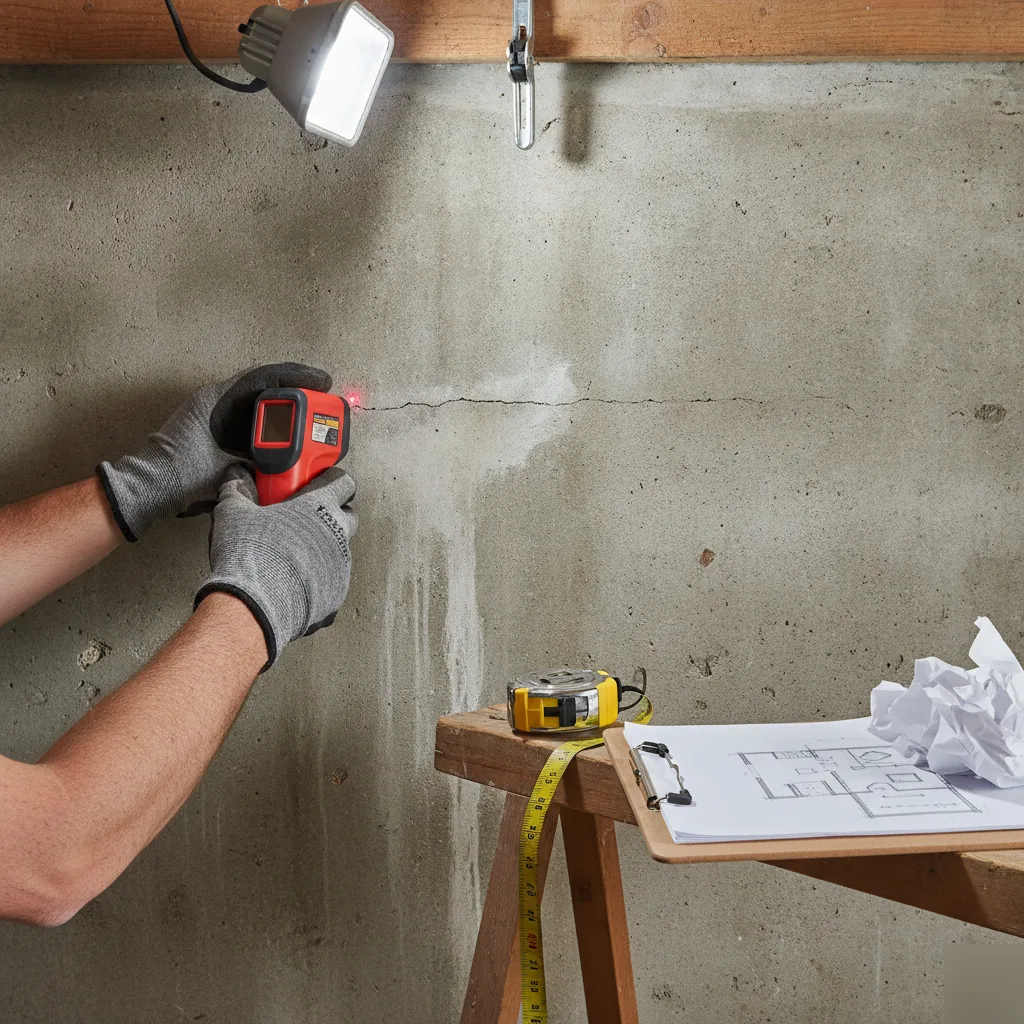
- Bowing or cracking basement walls: lateral pressure from soil can push walls inward, compromising their ability to support the structure
- Sagging or undersized beams: a beam that cannot carry the load above it will deflect visibly and may eventually fail
- Compromised load-bearing walls: walls that carry weight from floors or roof above should not be removed or altered without appropriate professional review
- Deteriorated floor joists: wood rot, insect damage, or improper cuts in joists reduce their load-carrying capacity
A licensed structural engineer, not a general home inspector, is qualified to classify a defect as structurally significant. General home inspectors are trained to identify visible symptoms. A structural engineer is trained to trace those symptoms back to the element causing them and assess what that means for the house. That difference matters when you negotiate, because a structural engineer's findings carry the technical authority needed to support a renegotiation or repair demand.
What are your options after a serious structural finding?
After a serious structural finding, buyers generally have three options: negotiate a lower purchase price, require the seller to complete repairs before closing, or terminate the contract. Which one fits depends on the severity of the problem, the estimated cost to fix it, and how willing the seller is to respond.
- Negotiate a lower purchase price. The seller reduces the sale price by an amount that reflects the repair cost. This works best when you want control over who does the repair and when it gets done. You close at the lower price and manage the repair yourself after taking ownership.
- Require seller repairs before closing. The seller agrees to hire a licensed contractor and complete the repair before the closing date. This works best when the required work is clearly defined and can be verified with a follow-up inspection. It takes the repair burden off you, but you'll need careful documentation that the work was done properly.
- Terminate the contract and walk away. You exit the purchase agreement within the inspection contingency window and, depending on your contract's terms, typically recover your earnest money deposit. This fits situations where repair costs are unknown or open-ended, the seller refuses to negotiate, or the risk feels too high relative to the value of the home.
Many residential real estate purchase contracts include an inspection contingency, a defined window of time during which you can raise concerns, request action, or exit without penalty. Once you have a structural report in hand, the first thing to confirm with your real estate agent is exactly when that window closes.
How does a structural engineer's report support your negotiation?
A structural engineer's written report carries professional authority that a general home inspection report does not. It is signed by a licensed engineer, uses precise technical language, and identifies specific structural elements by name and location.
What should a structural engineer's report include?
A complete structural report covers the scope of what was observed, the findings for each structural element reviewed, notes on what is in acceptable condition, and recommended next steps. Those "acceptable condition" notes matter more than they might seem, because they keep a seller from dismissing the report as one-sided. If the report says a beam is deteriorated but the foundation is performing within normal limits, the seller and their agent cannot claim the engineer found problems everywhere.
Your real estate agent and attorney can cite the report's specific findings when drafting negotiation letters, so a repair request points to a named element and a documented condition instead of a general concern.
The report also gives your contractor a clear scope of work. When a contractor reads a structural engineer's description of the problem, the proposed repair is more likely to address the actual cause and not just the visible symptom.
Should you ask the seller to make repairs or take a price reduction?
Choosing between seller repairs and a price reduction depends on how well the problem is understood and how much control you want over the fix. Neither option is automatically better.
Seller repairs work best when the required work is clearly defined. Replacing a specific damaged beam or waterproofing a specific wall section, for example, has a defined scope. A licensed contractor can be hired, the work completed, and a structural engineer can verify it before closing.
A price reduction lets you hire your own contractor and set the repair timeline after closing. That helps if you already have contractors you trust, or if the repair is straightforward enough that competitive bids will give you a reliable cost.
Hybrid approaches exist. Some buyers negotiate a partial price reduction combined with a repair credit at closing, which can work when the seller has limited flexibility on price but is willing to put money toward the repair.
If you choose seller repairs, ask for two things before closing:
- Written documentation that a licensed contractor completed the work
- A structural re-inspection confirming the repair was done correctly
If a proposed repair scope seems inconsistent with the problem documented in the engineer's report, talk it over with your structural engineer before you accept it. Work involving the foundation, load-bearing walls, or primary beams can be complex, and checking that the contractor's scope lines up with the engineer's findings helps protect you.
When is walking away from a home the right choice?
Walking away is the right choice when the structural problem is severe, the repair cost is open-ended, or the seller refuses to negotiate in good faith. Not every deal is worth saving.
Some structural conditions involve costs that are hard to estimate without opening up walls or excavating around the foundation. Extensive foundation failure, widespread wood rot in the floor system, and major displacement of a load-bearing wall all fall into this category. A contractor can't give you a reliable number until someone investigates further, and that investigation takes time, which is exactly what the inspection contingency window limits.
Can you renegotiate after the inspection contingency expires?
Once the inspection contingency window closes, your right to exit the contract without penalty typically expires with it. You may still be able to negotiate with a cooperative seller, but you lose the legal protection the contingency provides. Acting before the window closes keeps your options open.
Emotional attachment can make walking away hard, especially if you've already pictured yourself living there. A structural engineer's report gives you objective information that stands apart from how you feel about the property: it describes what the structure is doing, not what you want it to be doing.
Losing an earnest money deposit is a real cost. Still, that deposit is typically a small percentage of the purchase price, and a serious structural repair discovered after closing, with no negotiation leverage and no seller contribution, can easily cost more than the deposit you are trying to protect.

How do you get repair estimates after a structural inspection?
After receiving a structural engineer's report, the next step is getting cost estimates from licensed contractors who specialize in the type of repair identified. Share the report directly with each contractor. It describes the problem in precise terms and prevents misunderstandings about what work actually needs to happen.
For foundation issues, look for contractors who specialize in foundation repair instead of general contractors who take it on occasionally. Foundation work requires specific knowledge of soil conditions, drainage, and structural loading, and a contractor who does it every day will give you a more accurate scope than one who treats it as a side service.
Get at least two estimates before using a repair number in a negotiation. Costs for structural work can vary significantly depending on method, materials, and the contractor's read of the problem, so one estimate is not enough to anchor a price negotiation.
Ask each contractor directly whether the repair method they plan to use matches what the structural engineer recommended. Note any differences between the engineer's specification and the contractor's proposal, and bring those back to your structural engineer for review before you commit to a number.
Before hiring anyone for structural repair work, check credentials. Missouri does not issue a statewide general contractor license, so contractor licensing is handled by local jurisdictions; confirm any license or permit your city or county requires, along with proof of insurance. The state portal where you can verify a contractor's license through the Missouri Division of Professional Registration covers state-licensed professions such as professional engineers, which makes it useful for confirming your structural engineer's credentials rather than a foundation contractor's.
Your structural engineer may also be able to review contractor proposals and confirm whether the proposed scope addresses the documented problem. That adds one more check between the report and the repair.
What happens if you close on a home with an unresolved structural problem?
Closing on a home with a known, unresolved structural problem means you take on full financial responsibility for the repair from the moment the title transfers. Once you own the home, the seller's obligation ends.
Standard homeowner's insurance policies generally do not cover structural damage caused by foundation settlement, soil movement, or gradual deterioration. These conditions are typically classified as maintenance issues rather than sudden, accidental losses, so repair costs come entirely out of pocket.
If the seller disclosed the problem before closing and you chose to proceed without addressing it, legal recourse after closing is likely to be limited, because you accepted a condition that was disclosed to you.
An unresolved structural problem also follows you to resale. When you eventually sell, buyers and their inspectors will find the same problem, and you'll be in the position the current seller is in now. The problem doesn't disappear because ownership changed hands.
Skipping the negotiation to avoid conflict may feel easier in the short term. But many structural problems can worsen without repair, so the financial exposure can grow over time.
The inspection report stays useful after closing. It records the condition of the home at the time of purchase, which matters if the structure worsens and questions come up about when the problem began.
The bottom line
A serious structural finding does not have to end a real estate transaction. Price reduction, seller repairs, and a clean exit are all legitimate choices, depending on what the report documents and how the seller responds. Whichever you choose, make the decision before your inspection contingency window closes, and ask your structural engineer to explain any finding you are unsure about before you agree to a repair scope or a price.