What Should I Do to Prepare Before the Inspector Arrives?
Preparing for a Home Inspection Starts Before Inspection Day
If you've been asking yourself what should I do to prepare before the inspector arrives, you're already one step ahead of the average home buyer. That one question could save you a ton of time, effort and money before and during the inspection itself. Many people don't consider this question until the morning of the inspection, which is actually the wrong time to be thinking about this question.
The time to start preparing for a home inspection begins at the point that you schedule the inspection.
We see this all the time in Clayton. You schedule a pre-purchase structural inspection on a brick house in the 1940s near Shaw Park, your closing is three weeks away, you think the inspector will just come, look around and write the report. But everything the inspector can examine depends on what you allow the inspector to examine. A foundation that's blocked by stored items or a house with a locked utility room slows the process down and restricts the area an inspector can document during a home inspection.
Why Early Preparation Matters More Than You Think
Your structural inspection needs to be able to evaluate all the critical elements. That means foundation walls, floor framing, load-bearing walls and connections between original construction and later additions. In Clayton's older areas near Richmond Heights and Ladue, many homes sit on stone foundations or early poured-concrete foundations that get partially concealed by finished basements. And if you've stored items against the foundation wall or placed shelving units against the wall, the inspector can't look at that wall.
What a lot of people don't realize is an inspector is going to have to note "not inspected" in the final inspection report if they're not able to access a critical area. That doesn't mean that area passed inspection, just that nobody can know what's going on in that area. Unrestricted access is one of the leading reasons home inspection reports contain incomplete findings, according to the American Society of Home Inspectors.
That missing piece of information can cause delays at closing or leave you with an unknown structural problem in the house after you move in.
Start With These Steps Before the Inspector Arrives
You don't have to do an entire remodel, but rather just make things easier for an inspector. These are the things you can do in the week leading up to a home inspection:
- Clear away all stored items from foundation walls, three feet is ideal, and open access panels for crawl spaces, attics and mechanical rooms.
- Create easy paths of travel to your electrical panel and water heater area.
- Move furniture or area rugs away from visible floor or foundation wall cracks that you've noticed.
- Organize all repair documentation, engineering reports or remodeling permits that you have on file for your home.
- Maintain all utilities, an inspector can't inspect systems without electricity, water or gas.
All of these tasks are simple to complete and can take an afternoon to accomplish. They all improve what an inspector is able to look for during a home inspection.
Clayton Homes Have Specific Concerns Worth Flagging
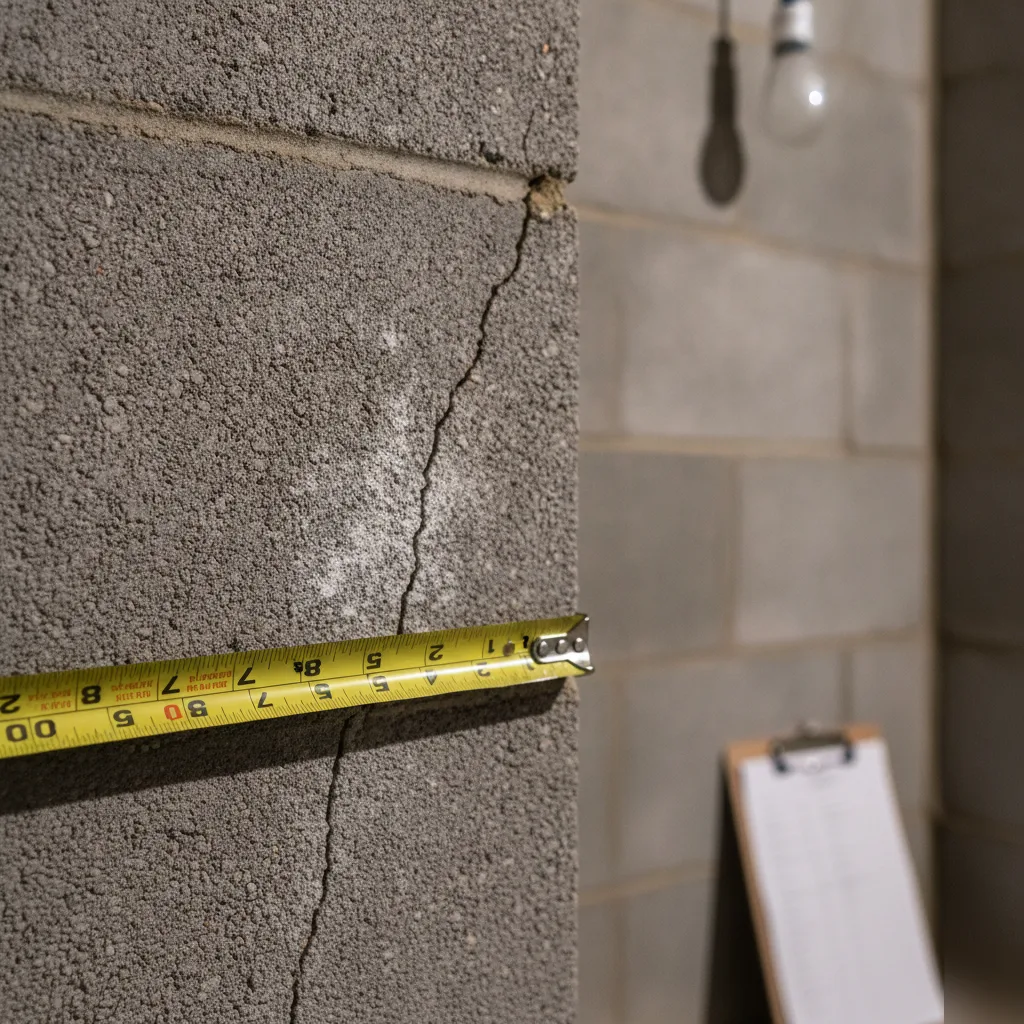
Every city has its quirks. In Clayton, there are many homes dating back to the 1920s-1950s that originally were built on stone foundations and have been repaired or even partially waterproofed along the years. If you are aware of a foundation crack, a sagging floor, or a wall that was removed during a remodeling job a few years ago, tell your inspector about those concerns before your appointment, not after the appointment. Don't keep them from the inspector, alert them. We have had Clayton clients call us for a foundation crack assessment thinking the crack was cosmetic. They discovered a homeowner who did not have their engineering license removed a bearing wall. The flooring system was deforming. It is easier to get prepared and honest so the inspector can concentrate on the important parts. Our structural inspection team has first-hand experience with St. Louis County plan review, so we are able to see homes through the lens of the review. Because the county requirements and have done plan reviews before, permit drawings are drawn up to satisfy exactly what the county plan reviewer needs to see. However, preparation is also internal, not external. Go into the inspection with the understanding the inspector is going to see something, because homes do have problems. The objective is not to have a clean, pristine inspection report. The purpose of the inspection report is to give you a clear picture of what needs to be fixed to make informed choices. For more details, visit our services page if you want to see the full list of the things we cover when you book a structural home inspection in Clayton.
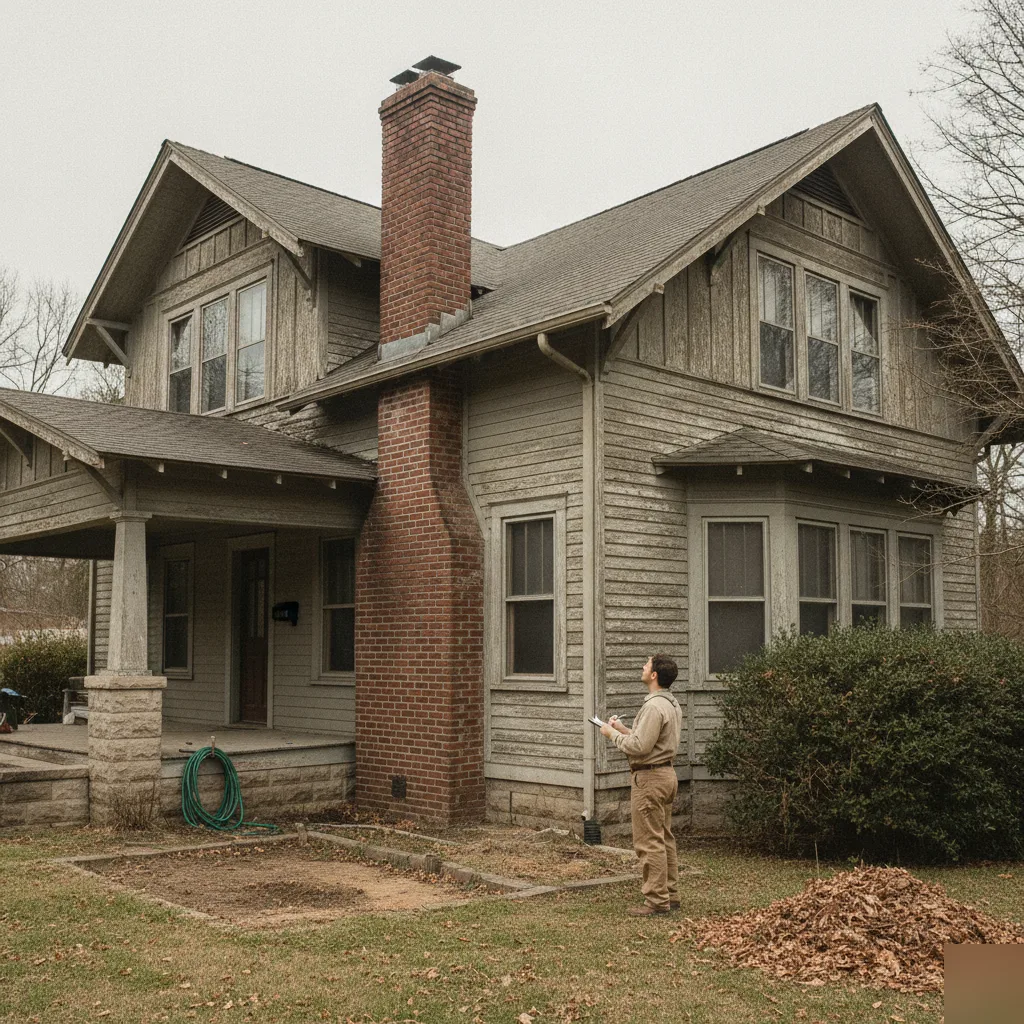
Your Home Inspection Preparation Checklist: Access Points and Utilities
The most common things to cause a delay during a structural inspection? Locked doors, closed crawl spaces, and utilities that are not working. We've seen it many, many times. A homeowner calls us for a structural inspection on a brick, 1940s Clayton house. We get to the site and notice a room in the house is secured and they don't have a key. You've wasted time for both parties. And the news is? The preparation of access points and utilities will take a half-hour. This modest preparation allows the inspection to proceed more smoothly and efficiently.
Clear Every Access Point
A home inspector needs to physically reach out and inspect the parts that are important for you to know about. Older homes in Clayton often have basements and crawl spaces, attic ladders, and basement walls with exterior access. Some homes in the vicinity of Richmond Heights and Ladue even were built on stone foundations. Stone foundations are very old, dating to the 1900s. If boxes or storage shelving are placed on or in front of foundation walls, you may not be able to do the visual inspection on the foundation walls. Prior to your inspection, prepare as follows:
- Remove anything from the walls at least three feet away in the basement and all foundation walls
- Open every door, including utility room, utility closet, and mechanical room
- Be prepared to climb to the attic and get a ladder for you
- Be ready for the inspection of vegetation in the yard that is blocking the foundation walls and crawl space vents
- Remove any items that were stacked on or next to the electrical panel
We've noticed the latter is one of the top reasons inspectors can't complete the visual electrical panel inspection. The electrical panel is a very important tool for understanding load paths and previous remodeling that occurred in your house. If you keep your holiday stuff in a closet behind the electrical panel, the inspector won't be able to see it.
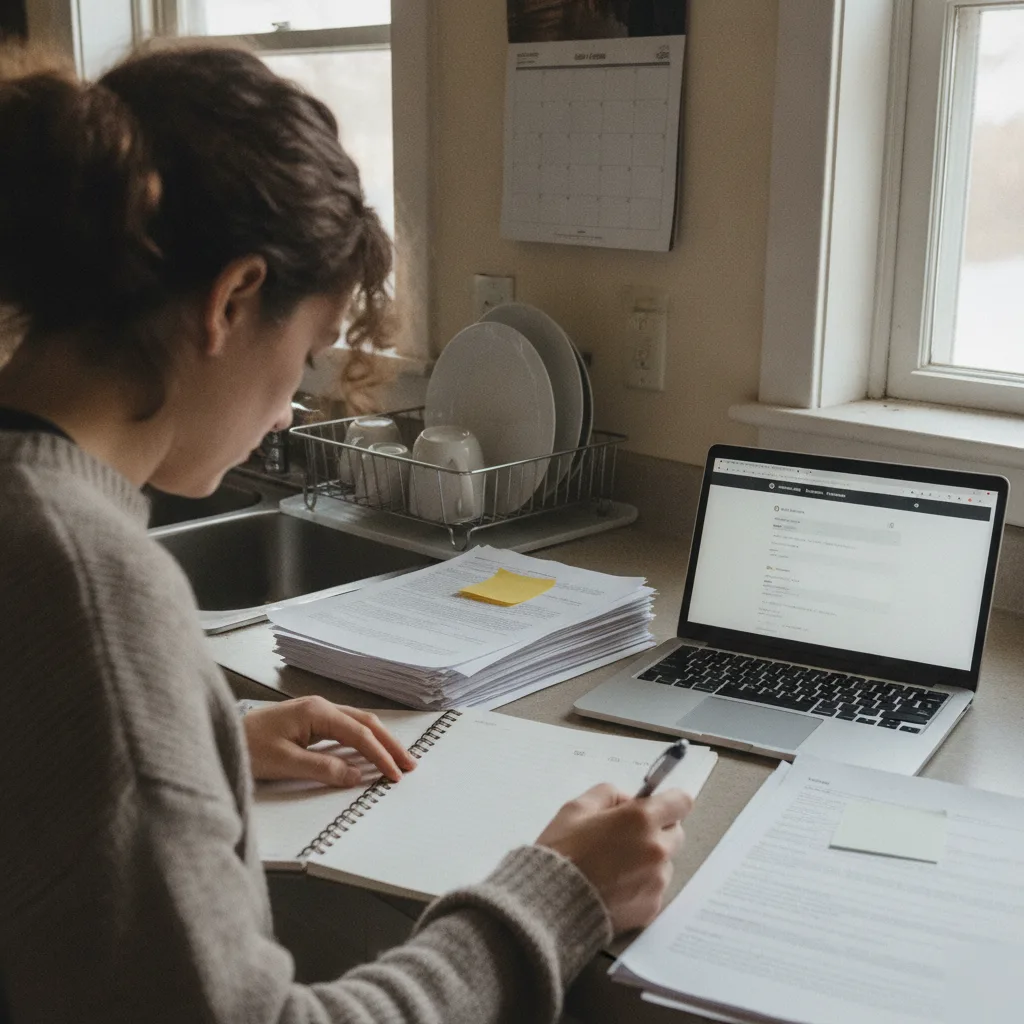
All Utilities Are Powered On
This is particularly for structural inspections conducted prior to a purchase. If you are buying a home in Clayton and the occupants have already vacated, you should assume that all utilities will be off. An inspector cannot detect active water intrusion without running water, and electrical systems cannot be evaluated without a live circuit.
Make it a priority to call the listing agent at least two days before your scheduled inspection to request that all utilities be switched on. This includes ensuring you have gas, water, and electricity. Without running water, for instance, you cannot verify drainage around your foundation for a foundation crack assessment. An inspection that is incomplete at the time of the visit may require the inspector to return at a later date when the system is activated.
Do not overlook heating, air conditioning, and ventilation (HVAC) systems either. Though they are not being evaluated during a structural inspection, where the mechanical equipment is often located within the house is part of the structural analysis. You will want that system running to confirm that this is an open, accessible, and safe space to be in.
Exterior Tasks Often Overlooked
A home exterior inspection is just as as a home interior inspection. Many buyers in Clayton spend significant time prepping the home interior for their structural inspection but ignore outside preparation.
An inspector will do a lap around the entire perimeter to review foundation walls, the slope, retaining walls, etc. Your fence needs to be open so that they can access the side gates, and if you have patio furniture or planters sitting on the deck, they cannot do a thorough deck and balcony inspection if these things are in the way.
If you have a detached garage or shed connected to the main house via a common wall, it must be accessible as well. We see this all too often in older, established neighborhoods like those in Clayton. A homeowner may be building an addition and will require a structural inspection as part of the construction permitting process. They have arranged the inspection for the home, only to have their storage shed blocking off the side of the house where the addition will be attached. In this case, the inspector will have to make a return visit and everything will be delayed.
Our team of engineers has extensive experience doing plan reviews for St. Louis County municipalities. that the drawings and specs you file for your permit include exactly what the permit examiner needs to see. Understanding building permits and code requirements before your inspection can help you gather the right documentation and avoid delays in the review process. But they depend on the original inspection being complete. Without full access for the inspector, you will only have incomplete information and will face permit delays.
A little preparation can go a long way toward a successful structural inspection. If you need to prepare for a structural inspection in Clayton, we will walk you through what to expect given the age of your home and the materials used to build it.
What Documents Are Required for a Structural Inspection vs. a General Inspection?
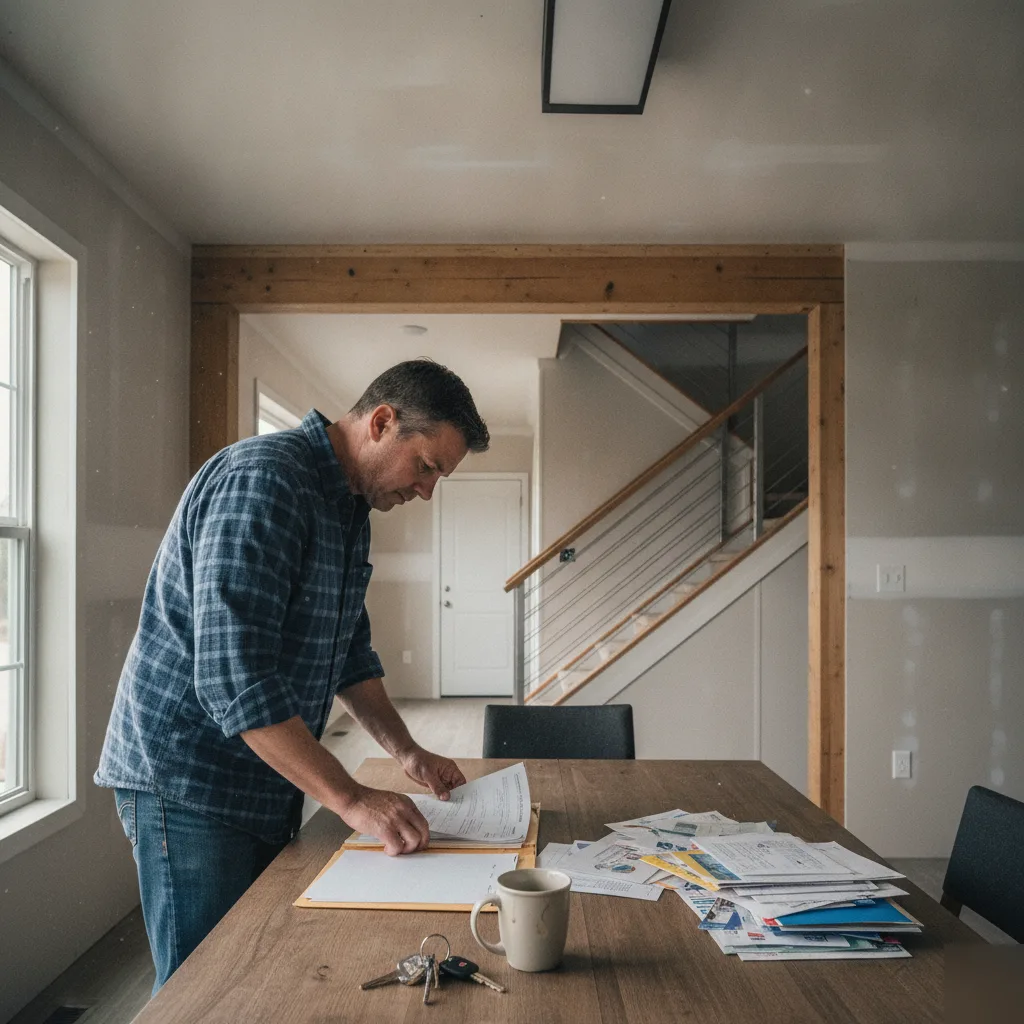
Most people do not know that the documents needed for a structural inspection in Clayton are different than for a general home inspection. This is because there are different things to think about regarding what to bring and what the inspector will be looking for. Having the wrong documentation on hand on the day of your home inspection will waste both your time and their time.
Whereas a general home inspector will be looking at a number of different systems like HVAC, plumbing, electricity, roof, and so on to see how things are running, the structural home inspector is looking at a different question: Is the building safe? That distinction is because it changes what you should bring.
For a foundation inspection, or any pre-purchase structural inspection on an older Clayton home built in the 1930s and 1940s, a structural engineer looks for different records than those of a general home inspector. Here are the things you need to have on hand for our inspection team:
- Any set of original building plans or architectural drawings. You might not have a full set; even partial plans provide us a better picture of what was originally constructed. Many older Clayton homes have stone foundation or early concrete foundations; original specifications help identify those materials.
- Previous records of foundation or waterproofing repairs, structural alterations, or other changes to the building. For example, if a wall was torn down ten years ago, we need to know it.
- Your property survey. This comes in handy for structural engineering of home additions and helps us plan a visit before you get here.
- Previous inspection reports. The general home inspection report does provide value in many cases, but it isn't the same thing as foundation/structural documentation.
- St. Louis County permit history or any documentation related to previous renovations, additions, or remodeling that may have required permits. Any work done without permits will be a problem in our review.
- Any pictures or documentation of any current conditions of the home you are concerned about (i.e., wall cracks, floor levels or sticking doors). You may have pictures of issues that we would like to review, even if you've just purchased the property.
Too often, I've seen people show up with thick folders of general inspection reports, yet we never saw any structural or foundation reports. This is the opposite order.
The specific type of documentation required can also change depending on the location and construction of the home. A brick colonial in Clayton, built 1938 near Shaw Park, for example, will require different structural documentation than a 1990s build in the Richmond Heights area. The foundation, framing, and load path through the wall are also dependent on what was built in the 1930s or 1990s in Clayton, St. Louis County.
This also leads us to our next point: Many buyers are unaware of the need for original construction plans until it's time for a remodel that requires an engineer to determine if it's a load-bearing wall. If you are planning a remodel where a wall must be removed for an open-concept design, the engineer needs to be able to see the original load path to determine the size and type of beam that is required for the header design. Without those plans, we can start with field measurements, which is fine and does not cause issues, but it will take more time.
Having worked in the St. Louis area for years, that the engineering plan review for St. Louis County requires very detailed documentation and drawings. Our engineers are trained and familiar with the documents required and how to plan for the review. The process, however, must begin with those original documents.
While it's understandable to want to have everything on hand, many items in a standard home inspector's report have no bearing on a foundation inspection or structural engineer review. Some items you can skip on a list for an engineer include HVAC maintenance records or the age of the furnace, as well as any appliance manuals and home warranty papers, utility bills or energy efficiency assessments, and receipts for cosmetic renovations that do not involve structural alterations.
Those things may be good to have on hand for the general inspector, but they are not necessary for an engineer to review. Save those things for the general inspection, and keep things to foundation reports, previous structural work, building plans, and permit history as your engineer review stack.
For more information on foundation reports and the process involved, visit our structural engineering page, or give us a call if you're looking for foundation engineering services for the purchase of a home in Clayton and you'd like to be sure that you're prepared before the structural engineer comes to the inspection.
Frequently Asked Questions
What happens if the inspector can't access part of my home?
The inspector will mark that area as "not inspected" in the final report. That doesn't mean the area passed — it means nobody knows what's there. In Clayton, this comes up often in older homes near Shaw Park where basements have stored items blocking foundation walls. An incomplete report can delay your closing or leave you with an unknown structural problem after you move in. Clear access points before inspection day to avoid this outcome.
Do Clayton's older homes need any special prep before a structural inspection?
Yes — Clayton homes built in the 1920s through 1950s often sit on stone or early poured-concrete foundations. These foundations can be partially hidden by finished basements or stored items. Before your inspector arrives, move anything stacked against foundation walls. If you know about a crack, a sagging floor, or a wall that was removed during a remodel, tell the inspector ahead of time. Early honesty helps the inspector focus on the areas that matter most.
Should I tell the inspector about problems I already know about?
Yes — always tell the inspector before the appointment, not after. If you know about a foundation crack, a soft spot in the floor, or a wall that was removed during a past remodel, share that information upfront. Hiding it doesn't help you. One Clayton homeowner thought a crack was cosmetic, but it turned out a load-bearing wall had been removed without a permit. The floor system was already deforming. Early communication leads to a more useful inspection report.
Is a clean inspection report the goal when preparing for a home inspection?
No — the goal is a complete and accurate report, not a perfect one. Homes have issues, especially older ones in Clayton. The inspection report is meant to give you a clear picture of what needs attention so you can make informed choices. Preparing your home properly helps the inspector see everything — which gives you better information, not a better score. For a full list of what gets covered, visit our structural home inspection services page.
How far in advance should I start preparing for a home inspection?
Start preparing as soon as you schedule the inspection — not the morning it happens. Most of the prep work, like clearing foundation walls, unlocking access panels, and gathering repair permits, takes only an afternoon. Waiting until the last minute means you may miss something important. In Clayton, where many homes have basements, crawl spaces, and attic ladders, giving yourself a full week before inspection day is a smart and simple habit.
What's a common mistake homeowners make before a structural inspection?
The most common mistake is assuming the inspector can work around blocked or locked areas. Many homeowners store items against basement walls or forget to leave keys for utility rooms. In Clayton's older neighborhoods, this often means foundation walls near Richmond Heights or Ladue go undocumented. The inspector can't skip those areas without noting them as "not inspected." A simple walkthrough of your home a few days before the appointment can prevent this problem entirely.